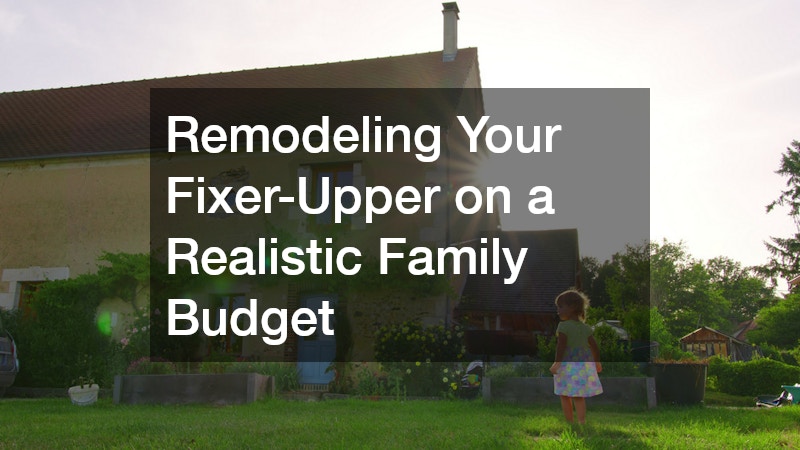
Entering the world of home ownership through a fixer-upper is an exhilarating journey that promises both a custom living space and potential financial gain. For many families, this is the most viable path to owning a home in a desirable school district or a charming historic neighborhood. However, the gap between a “good deal” and a finished home is often filled with unexpected stress, dust, and mounting invoices. Navigating a renovation with a realistic budget requires more than just a spreadsheet; it demands a shift in mindset from instant gratification to long-term value. Success in a large-scale renovation hinges on your ability to distinguish between what is urgent and what is merely aesthetic. While a dated kitchen is an eyesore, a leaking roof is an emergency.
Establishing the Financial Framework

Before the first wall is demolished, you must have a clear understanding of your financial boundaries. A realistic family budget isn’t just a total number; it is a living document that accounts for the hidden costs of an older home. Most experts recommend setting aside a 20% cushion for the “known unknowns.” In a fixer-upper, you are almost guaranteed to find issues like outdated wiring or plumbing that was not installed to modern standards once you look behind the drywall.
One of the most effective ways to stretch your budget is to become a frequent visitor to local clearance centers. You can find incredible deals by shopping at building material sales, where overstock, floor models, or slightly scratched items are sold at a fraction of their original cost. This is particularly useful for high-cost items like cabinetry or luxury vinyl plank flooring that would otherwise be out of reach for a modest budget.
When you are assessing the interior, don’t just look at the visible flooring. In many older houses, the underlying floor decking might be soft or damaged by previous water leaks. Replacing these structural panels is a non-negotiable expense because no matter how expensive your new carpet or tile is, it will fail if the foundation beneath it is uneven or rotting. Identifying these needs early prevents you from having to stop the project mid-stream to find extra funds for structural repairs.
Laying the Groundwork for Structural Stability
A common mistake for first-time renovators is spending the bulk of their budget on “the pretty stuff” while ignoring the foundation. A beautiful kitchen sitting on a sinking floor is a bad investment. To build a home that lasts for generations, you must start from the earth up. This ensures that every subsequent dollar spent on paint and decor is protected by a stable, dry environment.
If you are planning an addition or even a sturdy outdoor shed to house your tools, the foundation is the most critical step. A professional-grade concrete slab provides a level and moisture-resistant base that prevents shifting and cracking in the years to come. While it may seem like a high upfront cost, it is far cheaper than trying to correct a settled foundation five years after the renovation is complete.
Utility management is another area where cutting corners leads to disaster. During a major overhaul, it is often the best time to modernize your connection to the city’s infrastructure. Investing in a proper water meter installation ensures that your plumbing is efficient and that you aren’t paying for “ghost leaks” that often plague older properties with rusted iron pipes. Starting with a clean, modern utility setup allows for better water pressure and long-term peace of mind.
Streamlining Waste and Site Management

Renovating while living in the home is a logistical challenge that can strain any family. The key to maintaining a healthy environment is a rigorous approach to cleanliness and waste disposal. Dust and debris are not just messy; they can pose respiratory risks to children and pets. Keeping a clear workspace also speeds up the renovation because workers aren’t constantly tripping over old materials or trash.
- Designate a “Clean Zone”: Always keep at least one room completely free of tools and dust.
- Use High-Quality Air Filters: Change your HVAC filters weekly during active construction.
- Secure the Perimeter: Use temporary fencing to keep kids away from open trenches or heavy machinery.
For a full-scale gut renovation, the most efficient way to stay organized is to have a centralized waste system. Arranging for a dumpster rental allows you to discard old drywall, lath, and plaster immediately, rather than letting it pile up in the yard. This keeps the site professional and prevents the “renovation fatigue” that sets in when you are constantly surrounded by piles of garbage.
A well-placed roll-off container also simplifies the logistics for any subcontractors you hire. When workers know exactly where the trash goes, they spend more time on the actual labor and less time on cleanup. This small organizational detail can actually save you money on labor hours over the course of a multi-month project, making it a smart budget move for the savvy homeowner.
Safety and Accessibility for the Long Haul
A family home must be functional for everyone, from toddlers learning to walk to grandparents visiting for the holidays. Accessibility upgrades are often overlooked in the early stages of a remodel, but they are much cheaper to integrate during a renovation than as a retrofit later. Focus on creating “clear paths” throughout the home that allow for easy movement and minimize trip hazards.
- Wide Doorways: If you are already moving studs, widen doorways to 36 inches.
- Lever Handles: Replace traditional door knobs with levers for easier use by all ages.
- Non-Slip Surfaces: Choose textured tiles for bathrooms and entries.
Safety is paramount when dealing with elevation changes inside or outside the house. A sleek metal railing provides necessary support on staircases and can serve as a striking architectural feature that fits a modern or industrial aesthetic. Because it is durable and requires virtually no maintenance compared to wood, it is a “one and done” investment that adds to the home’s safety profile without recurring costs.
Consider the exterior entryways as well. If your home has a steep front porch or tiered garden, ensure the paths are wide and well-lit. Integrating safety into the design from the start ensures that your home isn’t just beautiful, but also a welcoming environment for visitors of all physical abilities. This forward-thinking approach is a hallmark of a successful, family-oriented renovation.
Protecting the Exterior Envelope
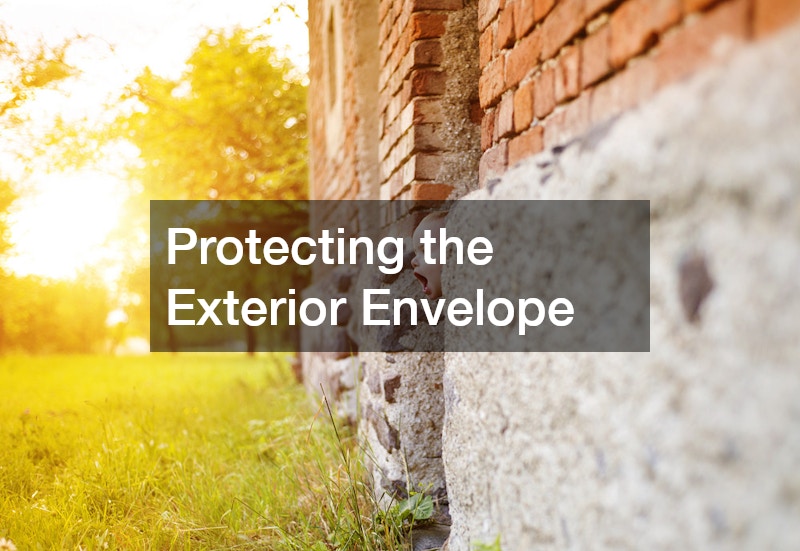
The exterior of your house is its armor. If the armor is pierced, the interior will eventually suffer from mold, rot, and structural decay. In a fixer-upper, the masonry is often the first thing to show its age through cracked mortar or “spalling,” where the faces of the bricks begin to flake off. Address these issues as soon as they are spotted to prevent water from reaching the wooden framing of your home.
- Check the Chimney: Look for missing mortar caps or loose bricks.
- Examine the Foundation Walls: Ensure there are no horizontal cracks, which could indicate pressure issues.
- Verify Drainage: Make sure the ground slopes away from the house walls.
Performing a thorough brick masonry repair on the exterior walls can save thousands in potential water damage. While it might seem like a cosmetic fix, tuckpointing—the process of removing old mortar and replacing it—is essential for the structural health of a brick home. It prevents the bricks from shifting and keeps the interior of the walls dry during heavy rain seasons.
While some homeowners attempt masonry themselves, it is a highly technical skill that requires specific knowledge of material expansion and contraction. Hiring a qualified masonry contractor is often the better financial choice in the long run. A professional will ensure that the new mortar matches the strength of the original brick, preventing further cracking and ensuring that the repair lasts for decades rather than just a few seasons.
Landscaping and Driveways on a Budget
Curb appeal is the first thing people notice, but it is often the last thing on the budget. When you are nearing the end of your funds, you need solutions that look professional but don’t require a second mortgage. You can achieve a high-end look by using “bulk” materials rather than expensive individual pavers or custom stonework.
- Native Plants: They require less water and are more likely to survive with minimal care.
- Mulch Borders: Use cedar mulch to define beds and keep weeds at bay.
- Solar Lighting: Add “instant” luxury to walkways without hiring an electrician.
For walkways and secondary parking areas, local gravel is an incredibly versatile and affordable material. It provides excellent drainage and gives the property a rustic, intentional look. By sourcing it from a nearby supplier, you save on transportation costs and support the regional economy while creating a clean, crunch-under-foot path that defines your outdoor space.
When it comes to the main thoroughfare of your property, durability is the priority. An asphalt driveway is a classic choice for families because it is flexible enough to withstand freezing and thawing cycles without the dramatic cracking often seen in poorly poured concrete. It provides a smooth surface for kids’ bikes and basketball hoops, and it can be resealed easily every few years to keep it looking brand new, making it a highly practical choice for a realistic budget.
Strategic Planning for the Interior Layout

The way your family moves through the house is more important than the brand of the appliances in the kitchen. In older homes, rooms are often compartmentalized and dark. Opening up the floor plan can make a small house feel much larger, but it must be done carefully to avoid removing load-bearing walls.
- Focus on the “Work Triangle”: In the kitchen, keep the sink, stove, and fridge in a tight formation.
- Maximize Natural Light: Use mirrors and light paint colors to bounce light into dark corners.
- Dual-Purpose Furniture: Use built-in benches that offer extra storage for toys and gear.
If you are removing walls to create that coveted open-concept living area, you will likely need to address the transition between different flooring types. This is where your planning for the subfloor pays off. Ensuring that your home has a consistent and level base across all rooms makes the final installation of your chosen flooring much smoother and more professional in appearance.
Remember that a renovation is a marathon of small decisions that lead to a massive result. By focusing on the “invisible” parts of the home—the plumbing, the foundation, and the structural integrity—you ensure that your decorative choices have a long and healthy life. A family budget is not a limitation; it is a tool that forces you to be creative and disciplined in your approach.
Navigating the Emotional Rollercoaster
Finally, it is important to acknowledge the human element of a fixer-upper. Living in a construction zone can be exhausting. There will be days when the dust feels permanent, and the noise is unbearable. To keep the project on track, communicate clearly with your family and your contractors, and remember why you started this journey in the first place.
- Celebrate Small Wins: When a room is finished, take the time to enjoy it before moving to the next.
- Stick to the Plan: Avoid “scope creep” where you add “just one more thing” to the project.
- Be Kind to Yourself: Renovation is hard work, and it is okay to take a weekend off from the tools.
By keeping your eyes on the finish line and your hands on the budget, you can transform the worst house on the block into the best home for your family. The sweat equity you invest now will pay dividends in the years to come, providing a stable and beautiful environment where your family can thrive.
Turning a fixer-upper into a dream home is one of the most rewarding challenges a family can undertake together. It requires a blend of practical skills, financial oversight, and a good sense of humor when things inevitably go sideways. While the process can be long and the work can be physically demanding, the result is a home that is truly your own, built on a foundation of hard work and smart choices.