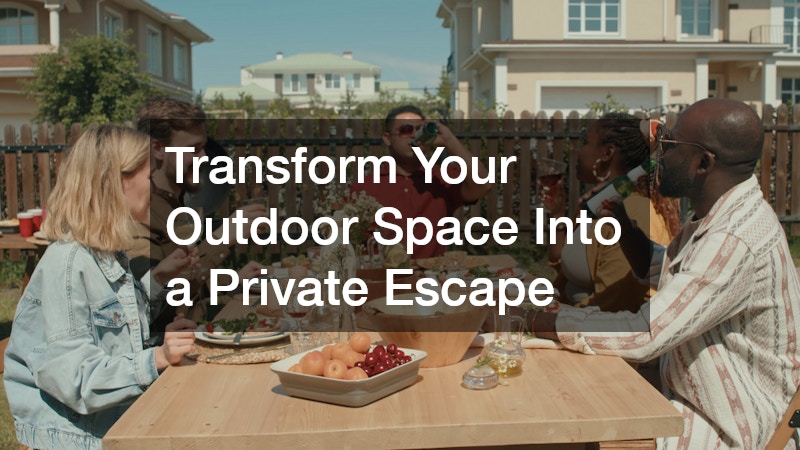
A well-designed outdoor space can do more than improve curb appeal. It can become a place to unwind, recharge, and enjoy a little separation from the noise of daily life. The problem is that many yards do not naturally feel private or relaxing. They may be too exposed to neighbors, too open to the street, or simply too unfinished to encourage regular use.
Creating a more secluded backyard does not always require a complete overhaul. In many cases, privacy comes from layering smart design choices that shape views, define gathering areas, and make the space feel more comfortable over time. The goal is not just to block sightlines. It is to build an outdoor environment that feels intentional, functional, and easy to enjoy.
A true outdoor escape blends structure, plantings, materials, and layout in a way that suits your property and your lifestyle. Whether you want a shaded reading area, a more intimate patio, or a backyard that feels tucked away from the world, the right upgrades can make a dramatic difference.
Define What Privacy Means for Your Yard
Before choosing features or hiring anyone, take time to think about what you want the finished space to feel like. Privacy is not the same for every homeowner. Some people want to screen neighboring windows. Others want a quieter place to entertain, a shaded corner to relax, or simply a yard that feels more enclosed and less exposed.
Walk through the yard at different times of day and notice what is working against that feeling. You may discover that the biggest issue is not a lack of fencing, but poor seating placement, harsh sun, or open sightlines from a second-story window next door.
A landscaping contractor can help evaluate the lot more professionally, especially if the property has grading challenges, drainage issues, or awkward sightlines. Local landscaping services may also offer useful guidance on which solutions make the most sense in your climate and neighborhood.
As you evaluate the space, look at:
- Where you naturally want to sit or gather
- Which views you want to keep and which you want to block
- How sunlight shifts throughout the day
- Where noise or traffic affects comfort
- How much maintenance you realistically want
A clear goal gives the whole project direction. It also helps prevent spending money on features that look good but do not actually make the yard feel more private.
Create Outdoor Zones That Feel Separate and Sheltered
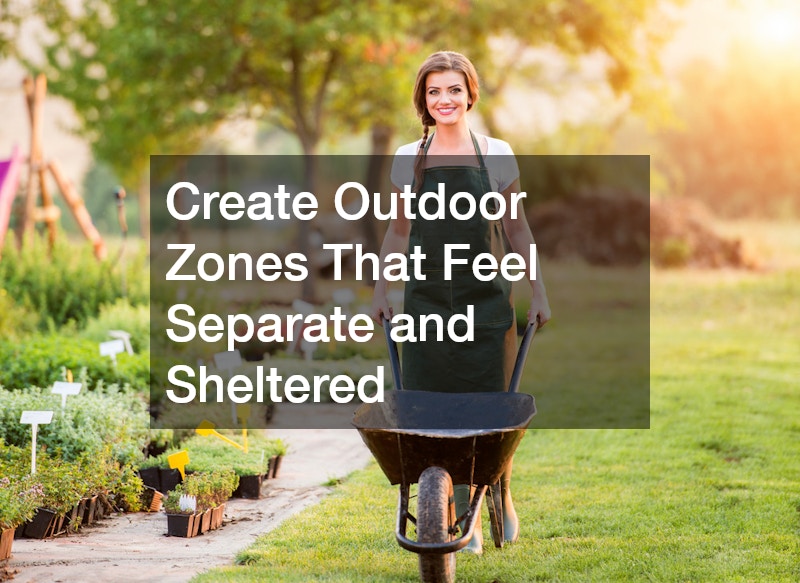
One of the most effective ways to make a yard feel more secluded is to break it into purposeful zones. A large open space often feels exposed, while a yard with clearly defined areas feels more welcoming and protected.
Custom patios are especially useful for this because they create a stable foundation for dining, lounging, or entertaining. Instead of placing a sitting area wherever there is open space, think about where it will feel most comfortable and least visible. Even moving the main patio to one side of the yard or tucking it behind planting beds can improve the feeling of privacy.
A hardscape contractor can help define these zones with low walls, raised planters, built-in seating, or changes in grade. These elements not only create visual separation but also make the yard feel more structured and intentional.
Useful ways to shape outdoor zones include:
- Creating a main lounge area away from direct sightlines
- Using planters or seat walls to frame a patio
- Separating dining and relaxing spaces
- Adding a path that leads into the retreat area
- Using different surfaces to define different functions
A well-zoned yard feels calmer because every part of it has a purpose. That sense of order helps the most private area feel like a destination rather than just another corner of the lawn.
Add Height Without Making the Space Feel Closed In
Privacy often comes from vertical design. Features that add height can shape the space, soften views, and make an outdoor area feel more enclosed without cutting it off completely.
A deck builder can help create raised seating areas, privacy screens, pergolas, or built-in benches that make the yard feel more intimate. Even if you do not need a full deck, the same design principles can apply to platforms and framed structures that help define an outdoor room.
Framing contractors may also be involved if you want a more customized feature, such as a covered lounge area, slatted wall, or structural screen that ties into the style of the house. These additions can provide privacy while still allowing light and airflow.
Vertical features that work well include:
- Pergolas over sitting areas
- Slatted privacy walls
- Trellises with climbing plants
- Decorative panels
- Built-in benches with taller backs
The key is balance. Too little height leaves the yard feeling exposed, while too much can make it feel boxed in. Strategic structure gives the space shape without sacrificing openness.
Choose Durable Materials That Support the Design
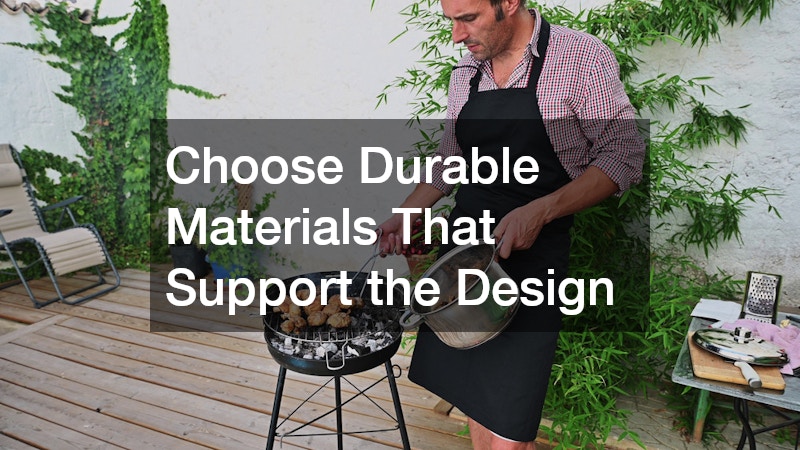
Outdoor privacy features should not only look good when they are first installed. They also need to hold up to weather, sun, moisture, and everyday wear. Material choices have a major impact on both appearance and long-term maintenance.
If you are adding a deck, privacy wall, pergola, or screen, the right lumber material matters. Some wood options offer a warm, natural look but require regular sealing or staining. Others may be more resistant to rot, insects, and moisture, which can reduce upkeep over time.
When selecting materials, think about:
- How they perform in your climate
- Whether they get too hot in full sun
- How much maintenance they require
- How they coordinate with the home
- Long-term repair and replacement costs
A deck builder or contractor can explain the strengths and weaknesses of each option, but your own priorities should lead the choice. If you want low maintenance, that should shape the materials from the beginning.
Strong material choices help the space feel finished and permanent. Weak ones can turn a peaceful retreat into a constant maintenance task.
Use Plants in Layers for Softer, More Natural Screening
Plants are often one of the best tools for creating privacy because they soften the yard while adding texture, shade, and seasonal interest. But the most effective privacy planting usually comes from layers rather than one solid row of shrubs.
A landscaper can help combine taller trees, mid-height shrubs, ornamental grasses, and lower plantings so the yard feels enclosed without looking stiff or overcrowded. This layered approach is often more attractive than a single barrier and can work especially well around patios and seating zones.
Local landscaping services are helpful here because plant selection depends heavily on local conditions. What works beautifully in one climate may struggle in another. Growth rate, mature size, and maintenance needs all matter when privacy depends on plants filling in well.
A layered planting plan might include:
- Evergreen screening near the property edge
- Shrubs around the patio
- Grasses to soften walkways and corners
- Small ornamental trees near seating areas
- Climbing vines on trellises
Layered greenery makes privacy feel natural instead of forced. It also helps the yard feel like a retreat rather than a closed-off enclosure.
Improve Shade and Sightlines With Smarter Tree Care
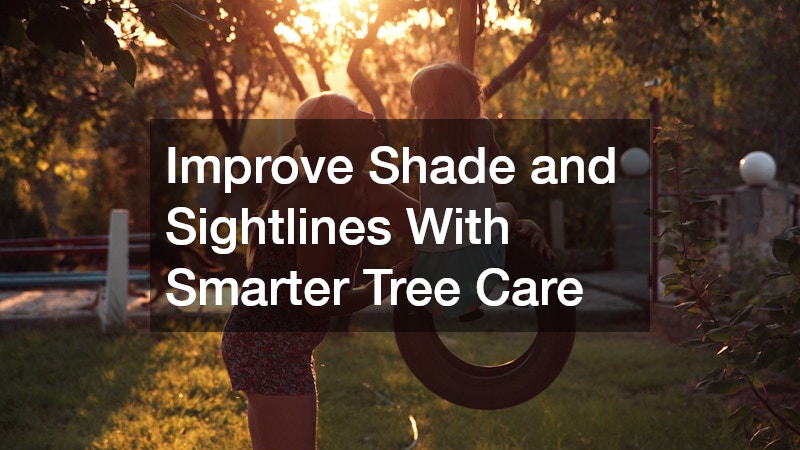
Existing trees can make a yard feel sheltered and established, but only if they are maintained well. Overgrown trees can make a space feel dark and messy, while carefully shaped trees can improve shade, soften views, and frame the most pleasant parts of the yard.
Tree pruning is one of the most effective ways to improve an outdoor space without a full rebuild. It can lift low branches over seating areas, reduce heavy debris, open filtered light, and make the yard feel more balanced. In some cases, pruning improves privacy by shaping what people see rather than simply blocking everything.
A landscaping contractor can help determine which trees should be preserved, thinned, or shaped as part of the overall design. Sometimes the answer is not adding more screening, but making better use of what is already there.
Tree care can improve:
- Shade over dining or lounge spaces
- Cleanliness around patios and walkways
- Views toward attractive focal points
- Overall light balance in the yard
- The sense of structure and enclosure
When trees are managed well, they contribute both beauty and comfort. That combination goes a long way toward making a yard feel like an escape.
Make Walkways Feel Intentional and Inviting
A private outdoor space should feel cohesive from the moment you step into it. That is why paths and transitions matter. If walkways are awkward, patchy, or disconnected, the yard will feel unfinished no matter how attractive the seating area is.
Paving companies can help create cleaner, more polished paths that guide movement through the yard. A thoughtful walkway can also support privacy by leading visitors gradually into the retreat area instead of exposing the entire space at once.
A hardscape contractor may coordinate pathways with patios, edging, and planting areas so the finished design feels connected rather than pieced together.
Good path design often includes:
- Routes that lead naturally to the main seating area
- Surfaces that stay stable in wet weather
- Curves or transitions that add a sense of discovery
- Clear edging between walkways and beds
- Entry points that feel inviting but not too open
When movement through the yard feels smooth, the whole space becomes more comfortable and more usable.
Add Comfort Features That Encourage Daily Use
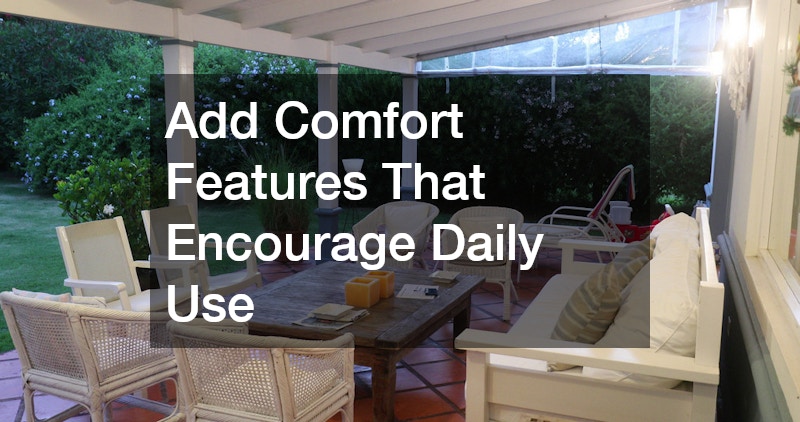
Even a private yard can go underused if it is not comfortable. The best outdoor retreats are the ones that support real routines, whether that means morning coffee, quiet reading, family dinners, or evening conversation.
Custom patios help by giving you a practical base for furniture and everyday use. Once that foundation is there, smaller features can make the space much more inviting.
Useful upgrades may include:
- Shade structures for sunny afternoons
- Built-in seating to reduce clutter
- Soft lighting for evening use
- Storage for cushions or small accessories
- A fire feature for cooler weather
- Planters that soften hard edges
Comfort does not have to mean excess. A few well-chosen features can make the yard feel complete and encourage you to use it regularly.
Coordinate the Right Professionals for a Cohesive Result
Outdoor privacy projects often involve more than one type of work. A deck builder may handle raised structures, a landscaper may design screening, and framing contractors may build custom overhead features or walls. The more these elements are coordinated, the better the final result will feel.
Before work begins, make sure everyone understands the overall plan. Otherwise, you may end up with mismatched materials, awkward spacing, or a layout that feels disconnected.
Ask potential contractors:
- Who handles design and who handles installation
- How drainage and grading will be addressed
- Whether materials will coordinate across features
- How the project timeline will be managed
- What maintenance the finished work will require
A unified plan almost always feels more polished than a collection of separate upgrades done without a larger vision.
Maintain the Space So It Keeps Its Sense of Privacy
Once the retreat is built, keeping it comfortable requires some routine care. Privacy can fade if shrubs overgrow, surfaces stain, trees become messy, or clutter takes over the main seating area.
Tree pruning should continue as needed to preserve healthy growth and balanced shade. Local landscaping services can help with seasonal cleanup, trimming, and refreshing plantings if you do not want to handle everything yourself.
Simple maintenance habits include:
- Trimming back overgrowth near seating zones
- Cleaning patio and walkway surfaces
- Refreshing mulch and planting beds
- Inspecting wood features for wear
- Checking drainage after major storms
- Reassessing privacy as plants mature
A little ongoing care protects the investment and keeps the yard feeling calm, clean, and easy to enjoy.
Turning a backyard into a private escape is not about one dramatic upgrade. It is about layering the right choices so the space feels more sheltered, more comfortable, and more intentional over time. Structure, planting, materials, and layout all play a role in how private the yard feels and how often you actually use it.
When the design is thoughtful and the features support your real routine, the outdoor space becomes more than a prettier yard. It becomes a place to relax, recharge, and enjoy being home.