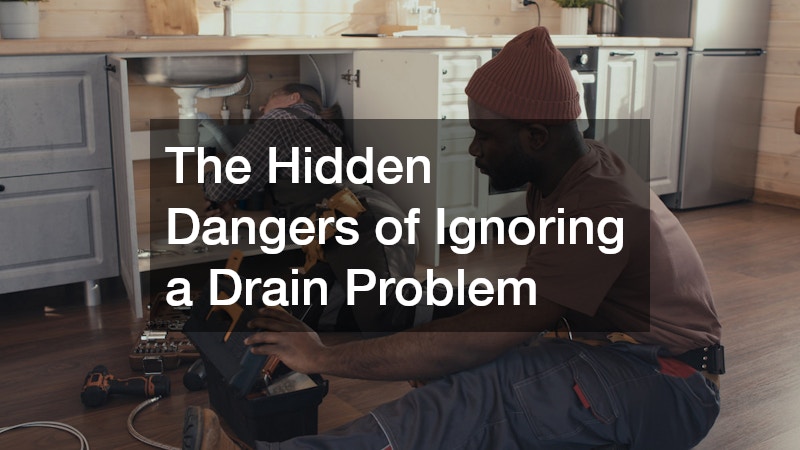
A slow-draining sink or a gurgling toilet might not seem like a big deal at first. Many homeowners delay addressing minor plumbing concerns because they appear harmless or inconvenient to fix. However, what starts as a small issue can quickly escalate into a costly and disruptive situation. Ignoring a drain problem can lead to structural damage, health hazards, and unexpected expenses that far exceed the cost of early intervention. Understanding the risks involved can help homeowners take timely action and protect their property.
Small Clogs Can Turn Into Major Backups
Minor blockages often begin with everyday materials such as hair, soap residue, grease, or food particles. Over time, these substances accumulate along pipe walls and restrict water flow. When left untreated, a seemingly small drain problem can develop into a full blockage that prevents water from draining entirely.
As pressure builds behind the obstruction, wastewater may back up into sinks, tubs, or even floor drains. In severe cases, sewage can overflow into living spaces, creating an unsanitary and unpleasant environment. What could have been resolved with simple maintenance may then require extensive cleaning, pipe repairs, and professional restoration services. Addressing slow drainage early reduces the likelihood of sudden and messy backups.
Water Damage Threatens Your Home’s Structure
One of the most serious risks of ignoring plumbing issues is water damage. When pipes are partially blocked, water may leak from joints or cracks under increased pressure. These leaks often occur behind walls, beneath flooring, or under cabinets, making them difficult to detect.
Moisture trapped in hidden areas can weaken wood framing, warp flooring, and damage drywall. Over time, prolonged exposure to water can compromise the structural integrity of a home. Cabinets may swell, paint may peel, and flooring materials may deteriorate. In multi-story homes, leaks from upper levels can seep into ceilings below, causing staining and sagging.
Repairing structural damage is far more expensive than addressing a clog early. Regular inspections and prompt action can prevent water from silently undermining your home’s foundation and interior finishes.
Mold Growth And Health Risks Increase
Persistent moisture creates the perfect environment for mold and mildew to thrive. Even a small leak caused by a drain problem can introduce enough humidity to support mold growth within 24 to 48 hours. Once mold begins spreading behind walls or beneath flooring, it can be difficult to remove completely.
Exposure to mold spores may trigger allergies, respiratory irritation, headaches, and other health concerns. Individuals with asthma or compromised immune systems are particularly vulnerable. In addition to health risks, mold remediation can be a complex and costly process requiring professional assessment and specialized equipment.
Beyond mold, stagnant water from clogged drains can attract bacteria and pests. Insects such as drain flies thrive in moist, organic buildup inside pipes. Rodents may also be drawn to areas with standing water. Maintaining clean, properly functioning drains helps reduce the likelihood of these secondary problems.
Repair Costs Grow Over Time
Delaying maintenance often results in higher repair bills. What begins as a minor inconvenience may evolve into pipe corrosion, cracks, or even burst lines. When pipes rupture, homeowners may face emergency plumbing calls, water extraction services, and replacement of damaged materials.
In some cases, unresolved clogs can place additional strain on the entire plumbing system. Increased pressure and repeated backups can shorten the lifespan of pipes and fixtures. Appliances connected to plumbing lines, such as dishwashers and washing machines, may also suffer damage if drainage issues persist.
Insurance coverage may not always apply if damage results from neglected maintenance. Many policies distinguish between sudden accidents and preventable wear and tear. Taking proactive steps to fix drainage concerns can help avoid disputes and unexpected out-of-pocket expenses.
Routine maintenance is typically far more affordable than emergency restoration. Simple measures such as professional drain cleaning, installing drain screens, and being mindful of what goes down sinks can significantly reduce long-term costs.
Ignoring minor plumbing concerns may seem convenient in the short term, but the consequences can be severe. From sewage backups and structural damage to mold growth and escalating repair bills, the risks are far-reaching. A drain problem rarely resolves itself; instead, it tends to worsen over time. By addressing issues promptly and investing in regular maintenance, homeowners can safeguard their property, protect their health, and avoid unnecessary financial strain.
Ultimately, proactive care is one of the simplest ways to preserve both your home and your peace of mind. Paying attention to early warning signs—such as slow drainage, unusual odors, or strange sounds—can make all the difference. Acting quickly not only minimizes disruption but also ensures your plumbing system continues to function safely and efficiently for years to come.
Staying ahead of plumbing concerns also helps maintain your home’s overall value. Potential buyers and inspectors often view water damage or signs of past backups as red flags. By resolving drainage issues promptly and keeping records of maintenance, you demonstrate responsible homeownership. In the long run, consistent attention to your plumbing system supports a safer living environment and protects one of your most important investments.