Choosing the right exterior door is a crucial decision for homeowners, as it directly affects a home’s security, energy efficiency, curb appeal, and overall value. Among the most popular materials for exterior doors are steel and fiberglass, each offering distinct advantages and potential drawbacks. Understanding these differences can help homeowners make informed decisions when planning an exterior door install. This article explores the pros and cons of steel and fiberglass doors, their performance characteristics, and what to consider when selecting the ideal door for your home.
What Are the Main Advantages of Steel Exterior Doors?
Steel exterior doors are renowned for their strength and resilience. They provide an exceptionally high level of security, as their robust construction makes them difficult to break or force open. For homeowners seeking peace of mind against potential intruders, a steel door offers a reliable barrier. Additionally, steel doors resist dents and warping better than many other materials, maintaining their appearance and structural integrity over time.
Steel doors are generally more affordable than fiberglass doors, making them an appealing choice for budget-conscious homeowners. Their initial cost is competitive, and when combined with low maintenance requirements, steel doors offer long-term value. For those considering an exterior door install on a budget without sacrificing security or durability, steel is often a practical choice.
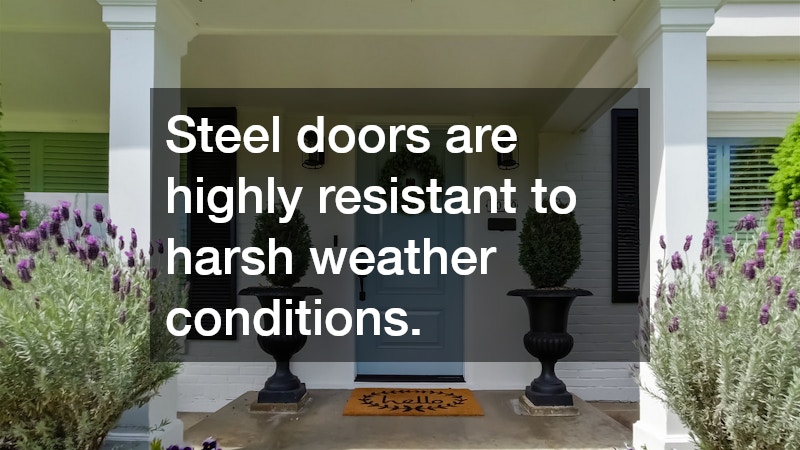
Steel doors are highly resistant to harsh weather conditions, including rain, wind, and extreme temperatures. Many steel doors are coated with protective finishes that prevent rust and corrosion, ensuring they maintain functionality and appearance over many years. This weather resistance makes steel doors particularly suitable for areas with unpredictable or severe climate patterns.
Why Might Homeowners Prefer Fiberglass Exterior Doors?
Fiberglass exterior doors excel in insulation and energy efficiency. Unlike steel, fiberglass does not conduct heat or cold as readily, which helps maintain consistent indoor temperatures and reduces energy costs. Homes with fiberglass doors can benefit from improved thermal performance, making them a smart choice for energy-conscious homeowners seeking both comfort and lower utility bills.
One of the standout advantages of fiberglass doors is their versatility in design. Fiberglass can be molded to mimic the appearance of wood, offering a warm and elegant aesthetic without the maintenance challenges of natural wood. Additionally, these doors are available in a wide range of finishes, colors, and decorative styles, allowing homeowners to match their door to the architectural style of their home. This customization makes fiberglass an attractive option for those prioritizing style alongside functionality.
Fiberglass doors require minimal maintenance compared to steel. They do not rust, dent easily, or corrode, which makes them highly durable over time. Occasional cleaning and inspection are usually sufficient to keep fiberglass doors in top condition. For homeowners who want a low-maintenance yet long-lasting door, fiberglass offers a compelling solution, especially in coastal areas or regions with high humidity.
How Do Steel and Fiberglass Doors Compare in Terms of Installation?
The process of an exterior door install differs slightly between steel and fiberglass. Steel doors are heavy, which can make handling and alignment more challenging during installation. Fiberglass doors are lighter and often easier to manipulate, though precise alignment is still crucial to ensure proper insulation and security. Regardless of the material, professional installation is generally recommended to achieve optimal performance.
Labor costs for installing steel doors may be slightly higher due to their weight and the care required to avoid damage. Fiberglass doors, being lighter and easier to handle, may reduce labor time and costs. However, both materials require accurate measurements, proper framing, and skilled workmanship, so homeowners should budget accordingly when planning an exterior door install.
The time required for installation depends on the door type, frame condition, and any additional features such as sidelights or decorative glass. On average, fiberglass doors may be installed slightly faster due to easier handling and reduced risk of denting. Steel doors may require additional preparation and caution during the installation process to prevent scratches or damage, slightly extending installation time. Planning ahead and working with a qualified installer ensures the process is efficient and smooth.
Both steel and fiberglass exterior doors offer distinct advantages that appeal to different homeowner priorities. Steel doors provide exceptional durability, security, and weather resistance, making them an excellent choice for homeowners focused on safety and long-term resilience. Fiberglass doors, on the other hand, offer superior insulation, energy efficiency, and design flexibility, catering to those who value aesthetics and low maintenance.
When planning an exterior door install, it’s important to weigh factors such as budget, climate, design preferences, and long-term goals. Professional installation ensures that either material performs as intended, providing security, efficiency, and beauty for years to come. Ultimately, whether you choose steel or fiberglass, the right exterior door can enhance both the functionality and visual appeal of your home, making it a valuable investment for the future.