Understanding the longevity of roof repairs requires a closer look at several contributing factors. The selection of materials, for instance, plays a crucial role in determining how long a repair can effectively protect a home from the elements. Installation practices and the skill level of the labor involved are equally important, as poor installation can significantly reduce a roof’s lifespan. Environmental conditions, such as local climate and weather patterns, have a profound impact on how long repairs endure.
Homeowners must be aware of these variables to make informed decisions that ensure their roof repairs remain lasting and resilient.
What Factors Determine the Longevity of a Roof Repair?
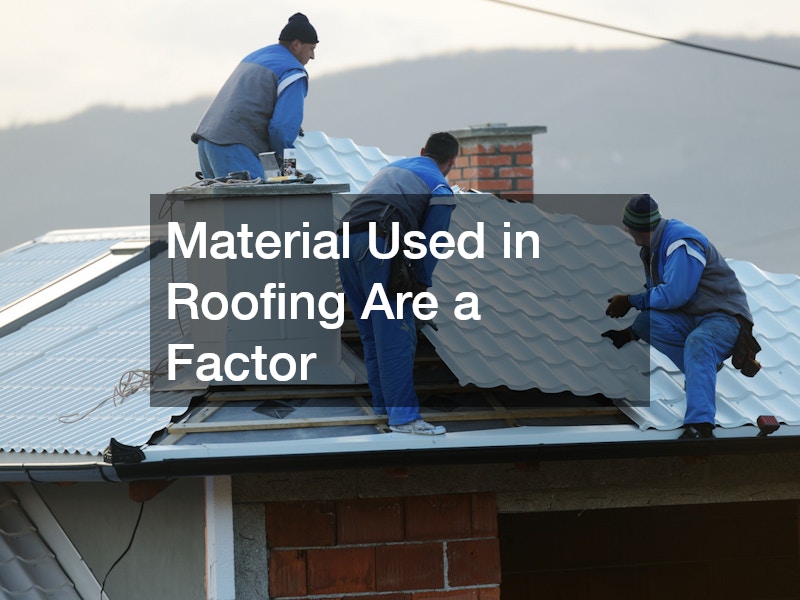
Material Used in Roofing
The type of material used in roofing repairs is a primary factor in determining the duration a repair will last. Asphalt shingles are a popular choice due to their affordability and ease of installation, but they generally offer a shorter repair lifespan compared to more robust materials like metal or slate. Metal roofing is recognized for its durability and resistance to weather extremes, making it a preferred choice despite its higher initial cost. Clay and concrete tiles provide excellent longevity and aesthetic appeal, although they require specialized installation. The decision on materials should balance cost, longevity, and the specific needs of the home.
Quality of Installation
The quality of roof repair installation has a direct effect on repair lifespan. Professional installers employ precise techniques that ensure the integrity and long-term performance of the repair work. Inexperienced or unvetted contractors may cut corners or neglect crucial installation details, which can lead to premature failure of the repair. For instance, if flashings are not properly installed, it might result in leaks that can damage the roof structure. Choosing a qualified, certified roofer ensures that the repair is done correctly and efficiently.
Climate and Environmental Conditions
Local climate and environmental factors are significant determinants of how long a roof repair will last. In regions prone to heavy snowfall or rain, roofs must be fortified to withstand excess moisture that can lead to structural damage. Conversely, areas experiencing high temperatures need roofing materials that can resist warping and deformations. Environmental factors such as proximity to saltwater can accelerate corrosion of metal roofing materials. Being aware of these conditions allows homeowners to select suitable materials and repair methods that extend the roof’s lifespan.
Type of Roof Repair
The type of repair undertaken also influences the duration of its efficacy. Minor patch repairs on asphalt shingles may not last as long as a full section replacement. Replacing damaged roof sections with high-quality materials can provide longer-lasting results compared to temporary fixes. Moreover, the method of repair—whether it involves layering or using adhesive sealants—can vary in terms of durability. Understanding the scope of the required repair helps in choosing the best approach for long-term resilience.
Maintenance Practices
Proper maintenance practices are essential in extending the life of a roof repair. Regular inspections can help detect early signs of wear and tear before they escalate into major issues. Timely cleaning of gutters, ensuring proper drainage, and removing debris from the roof surface prevent potential damage. Implementing a routine maintenance schedule contributes significantly to the longevity of roofing repairs by identifying and addressing issues early. Homeowners should prioritize maintenance to protect their investment in roof repair.
How Long Do They Typically Last by Material?
Asphalt Shingles
Repairs involving asphalt shingles typically have a shorter lifespan than those made with more durable materials. On average, an asphalt shingle repair can last anywhere from 5 to 15 years, depending on the quality of shingles and installation. The affordability of asphalt shingles makes them a popular choice, but their vulnerability to harsh weather conditions should be considered. Regular maintenance and inspection are key to maximizing their lifespan. For homeowners, balancing cost and durability is crucial when opting for asphalt shingles.
Metal Roofing
Metal roofing repairs are known for their longevity, typically lasting 20 to 30 years when done properly. Metal roofs offer exceptional resistance to weather extremes, which makes them a smart investment for long-term durability. The initial expense of metal roof repair is higher, but the long-term benefits often outweigh the costs. Ensuring proper installation and using high-quality fasteners are vital in obtaining maximum durability from metal roofing repairs. Regular check-ups can further extend the lifespan of metal roof repairs.
Clay and Concrete Tiles
Repairs made with clay and concrete tiles can last over 50 years with proper care and installation. These materials are renowned for their durability and resistance to severe weather, which makes them an ideal choice for longevity. However, they require skilled installation due to their weight and the precision needed in aligning the tiles. Homeowners often choose clay and concrete tiles for their aesthetic appeal, but the long-lasting nature of these materials is also a significant consideration. Regular maintenance is needed to prevent structural damage from impacting their longevity.
Wood Shakes and Shingles
Wood shakes and shingles require regular maintenance, but when properly cared for, repairs can last 20 to 40 years. Wood offers an attractive, natural look, making it a popular choice for historical restoration or aesthetic appeal. However, its susceptibility to moisture and pests can compromise its lifespan if maintenance is neglected. Regular cleaning and treating of the wood can help mitigate these issues. Homeowners should weigh the beauty of wood against the demanding upkeep it requires.
Slate Roofing
Slate roofing is revered for its elegance and exceptional longevity, with repairs lasting more than 100 years if properly maintained. Its natural stone composition provides unmatched durability and resistance to weathering. The high cost of slate repairs is justified by the lifespan and minimal maintenance requirements compared to other materials. Ensuring quality installation is critical to maximizing the repair’s lifespan, as slate requires specialized knowledge for proper setting. For those seeking a timeless and enduring roofing solution, slate is often a top choice.
How Seasonal Changes Affect Roof Repair?
Winter Impact on Repairs
Winter weather poses unique challenges to maintaining roof repairs. Snow accumulation puts additional weight on the roof structure, which may cause damage if persistent. Ice formation can exacerbate existing issues by penetrating even small openings in the roof, leading to leaks. Ensuring proper insulation and winterization of the roof can help mitigate these threats. Homeowners should be proactive in addressing any minor damage before the onset of winter.
Summer Heat and Roofing Longevity
Intense summer heat can have various impacts on the longevity of roof repairs. High temperatures may cause materials like asphalt shingles to warp or lose adhesion, leading to potential leaks. Shaded areas can create uneven thermal expansion, resulting in stress on the roofing materials. Reflective coatings are useful in reducing the heat absorbed by the roof, helping to maintain material integrity during hot months. Regular inspections can identify heat-related damage early on.
Spring Weather Effects
The transition from winter to spring can be tough on roof repairs due to fluctuating temperatures and increased precipitation. Spring showers and storms can test the waterproofing measures of a roof, revealing weaknesses in repaired areas. Inspection after spring storms is crucial to ensure that the roof remains watertight. Preparing roofs to withstand spring’s volatile weather can prevent small issues from developing into major problems. Ultimately, spring is an ideal time for a comprehensive roof check-up to assess any winter damage and make necessary repairs.
Fall and Roof Condition
Fall presents both challenges and opportunities for roof maintenance. Falling leaves can block gutters, leading to water back-ups that compromise roof repairs. However, the mild weather conditions during fall also provide an excellent opportunity for conducting maintenance tasks before the harshness of winter. Ensuring gutters and downspouts remain clear will help roofs efficiently handle winter precipitation. Homeowners who address minor damages during the fall can prevent exacerbated problems in the following winter.
Adapting Repairs to Seasonal Changes
Adapting roof repairs to withstand seasonal changes can significantly enhance their longevity. Choosing materials suited for local weather conditions is a critical step in this adaptation process. Summer months may require reflective coatings, while winter repairs might focus on enhancing insulation and installing drip edges. Being proactive with seasonal preparations, like adding or adjusting ventilation, can reduce the impact of extreme temperature shifts on the repaired roof. By tailoring repairs to anticipated seasonal challenges, homeowners can ensure their roofs remain durable and effective year-round.
How to Extend the Life of a Repaired Roof?
Regular Inspections
Regular inspections are one of the most effective ways to extend the life of a repaired roof. Comprehensive inspections can identify minor issues before they evolve into significant problems. Encouraging proactive maintenance by professionals helps ensure repairs remain effective and enduring. Scheduling inspections bi-annually, preferably in spring and fall, aligns with major weather changes and offers ideal conditions for thorough examination. Regular inspections offer peace of mind and long-term protection by actively extending the repaired roof’s lifespan.
Timely Maintenance Work
Effective maintenance requires prompt action to address wear and tear identified during inspections. Minor repairs, such as replacing a few shingles or sealing small cracks, can prevent major and costly issues. By adhering to a maintenance schedule, homeowners can avoid neglecting the critical upkeep needs of their repaired roofs. An organized maintenance routine includes cleaning debris, checking seals, and repairing damaged areas to ensure the roof remains resilient. Consistent maintenance helps in conserving both resources and time in the long run.
Choosing Quality Materials
Quality materials are fundamental to achieving extended repair lifespans. Homeowners should seek manufacturer warranties and trusted brands when selecting materials for repairs. Though quality materials may incur higher initial costs, they offer reduced long-term expenses, attributed to their durability and performance. Opting for the best materials can result in decreased frequency of repairs, lower energy costs, and overall improved roof performance. Quality materials also ensure that repairs can successfully withstand environmental and mechanical stresses over time.
Professional Repairs
Hiring experienced professionals for roof repairs is paramount for longevity. Skilled contractors possess the knowledge and precision necessary to implement durable solutions effectively. Professional workmanship ensures repairs comply with building codes and industry standards, further safeguarding the home. Professionals possess access to high-quality materials and the latest technological advances in roofing methods. Homeowners can rely on their expertise to execute repairs that enhance both the value and longevity of their roofs.
Preventive Measures
Implementing preventive measures is key to prolonging the life of a repaired roof. Preventive strategies focus on averting potential damages by addressing vulnerabilities preemptively. These can include waterproofing areas prone to leakage, installing additional insulation, or applying protective coatings to shield materials from UV rays and moisture. Collaborating with professionals to identify risk factors allows homeowners to create a comprehensive preventive plan tailored to their specific roof. Taking preventive action can lead to a hassle-free, long-lasting repair with fewer complications.
What Are the Warning Signs of a Failing Roof Repair?
Visible Exterior Damage
Visible exterior damage is one of the clearest indicators of a failing roof repair. Homeowners should regularly inspect their roof for missing or cracked shingles, sagging sections, or tiles that appear displaced. These visible signs suggest that the repairs are deteriorating and need prompt attention. Structural shifts in the roofline can also signal significant underlying problems that require professional assessment. Identifying these issues early helps prevent costly comprehensive repairs in the future.
Leaks or Water Stains
Leaks or water stains within the home can signify compromised roof repairs. Even small water spots on ceilings or walls hint at potential breaches in the repaired areas. Ignoring such signs can result in extensive water damage, structural decay, and mold growth. Regular checks of attic spaces and interior ceilings for any dampness or staining are essential in detecting these issues early on. Addressing the source of leaks promptly keeps new problems from arising and sustains the integrity of the repairs.
Increased Utility Bills
An unexpected rise in utility bills may be related to failing roof repairs impacting energy efficiency. A compromised roof can lead to uncontrolled heat loss during winter or unwanted heat gain in summer, causing HVAC systems to work harder. Monitoring energy consumption trends offers insights into the roof’s condition, as unusual fluctuations could indicate insulation problems. Investing in energy-efficient repairs benefitting from good quality materials and professional installation helps regulate utility costs. A well-repaired roof is not only protective but also energy-efficient.
Shingle Granules in Gutters
Finding shingle granules in gutters is a sign that seems minor but could indicate a failing shingle roof repair. These granules, part of asphalt shingles, provide UV protection and durability. Accumulation of granules in gutters suggests granule erosion, which weakens the protective layer of the roof. Such occurrences warrant an inspection to prevent compounded issues. Proactively addressing the erosion by recoating or replacing shingles can prevent further degradation of roof repairs.
Internal Attic Conditions
Checking attic conditions is a practical measure to assess the status of roof repairs. The attic reflects the overall health of the roof by indicating insulation effectiveness and moisture presence. Identifying signs of poor ventilation or increased moisture levels suggests underlying problems with the repaired sections. Regular attic checks reveal otherwise unnoticeable issues that could escalate if neglected. Addressing these signs helps maintain a sturdy, well-functioning roof repair and extends its effectiveness.
In conclusion, understanding the factors influencing roof repair longevity assists homeowners in making informed decisions. The choice of materials, quality installation, and climate considerations significantly impact a repair’s lifecycle. Regular maintenance, timely interventions, and professional repairs are integral to extending the effectiveness of repairs and preventing potential damage. Awareness of warning signs such as exterior damage or fluctuating utility bills enables early detection and resolution of issues. By understanding these aspects, homeowners can ensure effective, long-lasting repairs that protect their investment and enhance their home’s resilience.