
Septic tanks play a crucial role in managing wastewater for homes not connected to municipal water systems. These underground structures treat sewage by separating it into solid, liquid, and scum layers, which is essential for maintaining a healthy and safe environment. Designed to offer an independent sewage treatment solution, understanding how septic tanks function is essential for homeowners in rural areas.
Comprised typically of concrete, fiberglass, or polyethylene, septic tanks store wastewater flowing from the household plumbing system before releasing it into the soil. The bacteria within the tank help in breaking down the solid waste, reducing the risk of soil contamination.
This natural process is fundamental for maintaining environmental safety and preventing diseases caused by untreated sewage.
Septic tanks require regular maintenance to function correctly and avert potentially costly repairs. Without periodic inspection and cleaning, issues such as blockage or leakage can escalate, leading to unpleasant odors or even environmental hazards. Engaging septic tank services periodically ensures that the system remains efficient and prolongs its lifespan.
The Importance of Regular Maintenance
A well-maintained septic tank system prevents the overflow of untreated sewage into surrounding areas. Regular maintenance involves inspections, pumping, and cleaning to remove the buildup of solid waste and ensure functional efficiency. Homeowners should consider scheduling professional septic tank services every two to three years or as recommended by an expert.
Failure to maintain a septic tank can lead to serious health and environmental concerns. Untreated sewage can seep into the ground, contaminating water sources and posing a risk to community health. Routine maintenance minimizes these risks and promotes a healthy living environment while preserving property value.
Moreover, regular upkeep helps identify potential problems before they become severe, ultimately saving money in the long run. Septic tank services often include detailed inspections that pinpoint issues early, allowing for timely interventions. Preventive maintenance not only avoids costly repairs but also extends the lifespan of the septic system.
Choosing the Right Septic Tank Services
Selecting a reliable septic tank service provider is crucial for ensuring optimal system performance. Homeowners should research and compare local providers based on their reputation, experience, and service offerings. It is wise to choose a company that can offer emergency services, routine maintenance, and repair work to cover all aspects of septic system care.
Furthermore, understanding the pricing structure and service inclusions is essential before committing to a service provider. Some companies offer comprehensive packages that include regular inspections, pumping, and emergency repairs, while others might charge separately for each service. Reading customer reviews and seeking recommendations can help in making an informed decision.
Certification and licensing are also important factors when selecting a septic tank service provider. Licensed professionals are typically more trustworthy and adept in handling complex issues, ensuring compliance with local regulations. Engaging certified services not only assures quality workmanship but also provides peace of mind to homeowners.
Signs Your Septic Tank Needs Attention
Homeowners should be vigilant for signs indicating their septic systems require immediate attention. Common indicators include slow drainage, unpleasant odors, and pooling water over the drainage field. Foul smells emanating from drains or yard may signal that the tank is full and needs pumping.
Consistently slow drains might imply clogs or a failing system unable to handle household waste adequately. Noticing lush patches of grass or damp spots in the yard can also suggest an overflowing septic tank. Ignoring these signs can lead to severe malfunctions, further emphasizing the importance of prompt septic tank services.
Additionally, gurgling sounds in plumbing systems may point towards blockages or complications within the septic mechanism. Unresolved issues can contribute to structural damage, posing health risks to inhabitants. Homeowners should schedule inspections promptly when such concerns arise to maintain a well-functioning sewage management system.
Environmental and Health Considerations
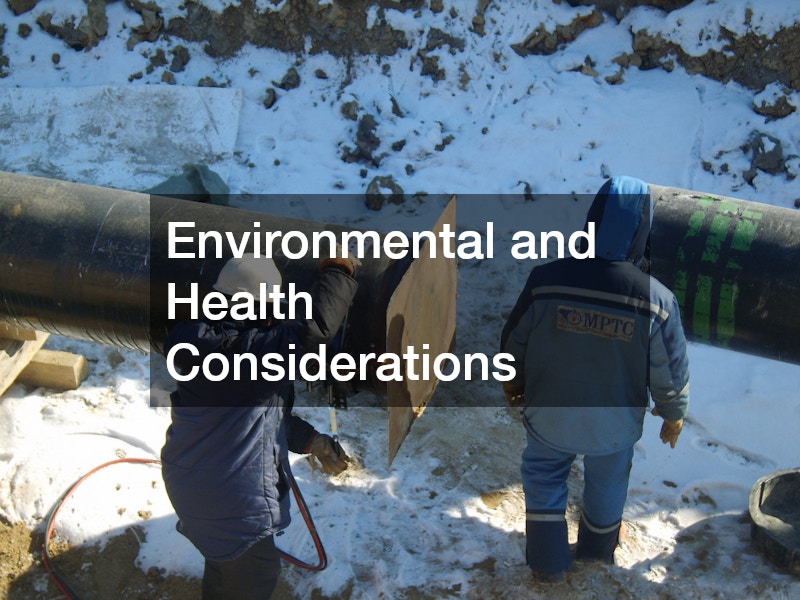
Septic tanks, when poorly maintained, pose risks to both the environment and public health. Contaminated groundwater from failing systems can lead to severe environmental damage and health risks such as waterborne diseases. Maintaining a properly functioning septic system mitigates these risks by ensuring the effective treatment of sewage.
Discharge from faulty septic systems can contaminate local water bodies, affecting aquatic life and community water supplies. Practicing responsible waste management through regular septic tank services supports sustainability efforts and protects natural resources. Homeowners bear the responsibility to prevent environmental degradation by ensuring their systems are well-maintained.
Improperly treated sewage can also lead to the proliferation of bacteria and viruses, impacting public health. Controlling waste with functional septic systems safeguards against potential disease outbreaks and upholds community health standards. Proactive septic tank management is integral for fostering a safe and healthy environment for all residents.